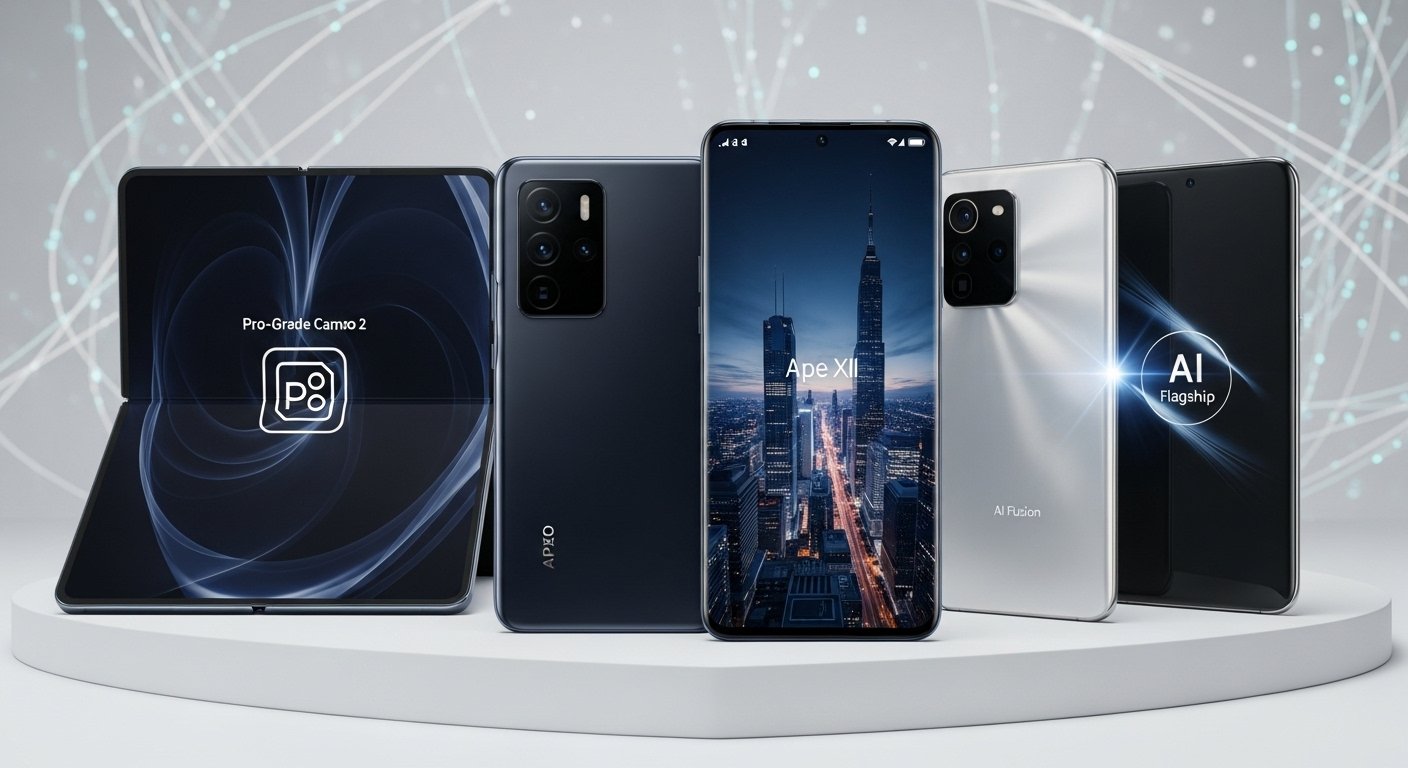

The mobile landscape has shifted dramatically over the last year, moving away from incremental hardware bumps toward a future defined by integrated artificial intelligence and transformative form factors. Finding the best smartphones in today’s market is no longer just about comparing gigahertz or megapixel counts; it is about how a device fits into your digital lifestyle and how effectively it anticipates your needs. Whether you are a creative professional demanding a studio-grade camera or a power user looking for a tablet-sized screen that fits in your pocket, the current generation of mobile technology offers a specialized tool for every niche.
The Era of the AI Flagship
As we move through 2026, the industry has reached a consensus: the most powerful hardware is secondary to the intelligence driving it. We are seeing a new class of devices where on-device AI handles everything from real-time language translation during calls to complex photo editing that was once the domain of desktop software.
The leaders in this space, such as the Google Pixel 10 Pro and the iPhone 17 Pro Max, have moved beyond simple voice assistants. These best smartphones now feature dedicated neural processing units that allow AI models to run locally, ensuring your data remains private and your responses remain instantaneous, even without a cloud connection. This shift has fundamentally changed the user experience, making the phone feel less like a tool and more like an active collaborator.
Redefining Photography with Advanced Optics
For many, the camera is the deciding factor when choosing between the best smartphones. This year has seen a massive leap in sensor technology. We have moved past the “megapixel wars” into an era of high-fidelity light capture. Samsung’s latest Ultra models, for instance, utilize massive sensors and variable aperture lenses that mimic the behavior of professional DSLR cameras.
However, the hardware is only half the story. The best smartphones are now defined by their computational photography. Features like “night-to-day” low-light processing and AI-driven motion deblurring allow users to capture moments that were previously impossible for a mobile device. When you invest in one of the best smartphones for photography, you are essentially carrying a professional-grade production studio in your pocket.
The Rise of the Foldable and Tri-Fold
Innovation isn’t just happening on the inside. The physical design of mobile devices is undergoing its most significant change since the introduction of the touchscreen. Foldables have matured from expensive curiosities into durable, mainstream options. The best smartphones in the foldable category, like the Galaxy Z Fold 7 and the new tri-fold entrants, offer expansive displays that make multitasking a breeze.
Imagine attending a video meeting on one half of your screen while taking notes with a stylus on the other, then folding the device down to the size of a standard handset when you’re done. The engineering behind these hinges has become incredibly robust, with many of the best smartphones now sporting dust and water resistance ratings that rival their “slab-style” counterparts.
Performance That Doesn’t Compromise Battery Life
High-performance gaming and professional video editing require immense power, but the best smartphones must also last an entire day. In 2026, we’ve seen the widespread adoption of high-density silicon-carbon batteries. This technology allows manufacturers to pack more capacity into thinner frames.
Processors like the Snapdragon 8 Elite and Apple’s A19 Pro have also become more efficient. The best smartphones can now handle heavy workloads without thermal throttling, thanks to advanced vapor chamber cooling systems. When looking for the best smartphones, it’s vital to check not just the raw speed, but how long that speed can be maintained before the battery gives out.
Balancing Value and Innovation
Not everyone needs a $1,500 flagship. Some of the best smartphones available today sit in the mid-range “sweet spot.” Brands like OnePlus and Nothing have mastered the art of providing 90% of the flagship experience at nearly half the cost. These devices often feature the same high-refresh-rate AMOLED screens and fast-charging capabilities found in more expensive models.
Choosing the best smartphones for your specific budget means identifying which features are non-negotiable. If you prioritize software longevity, Google and Samsung now offer up to seven years of updates, ensuring your device stays secure and functional well into the future. This commitment to sustainability is becoming a hallmark of the best smartphones on the market.
Conclusion
The current state of mobile technology is incredibly diverse. From the AI-driven brilliance of the latest Pixels to the raw productivity of Samsung’s foldables and the seamless ecosystem of the iPhone, there is no single “best” choice for everyone. The best smartphones of 2026 are those that balance cutting-edge innovation with practical reliability. As you look to upgrade, consider how much you value AI integration, camera versatility, and battery endurance. By focusing on these pillars, you’ll find a device that doesn’t just keep up with the times but genuinely enhances your daily life.